

Qingdao Seawit Life Science Co., Ltd. is located in Life Science Industrial Park, Jimo District, Qingdao, China. It covers an area of 40000 square meters and is a high-tech enterprise co-founded by Bohi Group and renowned academicians, professors, and engineering experts. As a core innovative business part of the Bohi Group, Seawit could get support from Bohi, including human resources, financing, industrialization support, etc. Seawit will continue to insist on being customer-oriented and creating the best value for customers. We will continue to develop the industry in terms of dairy, health care, and sports nutrition and aspire to be the best supplier of nutritional per-mix and mixed ingredients.




Why Choose Us
Honor and patents
Seawit had undertaken over 10 items related to national level, provincial level, and Qingdao city level, applied more than 30 items of patents, participated, and appointed 10 items of national and industrial standards. The company had gained many items of system certification related to food production licenses (containing 71 products), HACCP, FSC22000, ISO9000, export food record, FDA, BRC, and Kosher.
Advanced production technology
It is to cooperate with the world's top equipment manufacturing company, GEA-NIRO, and engineering enterprises to develop advanced production technology devices such as functional lipid purification, microencapsulation embedding, and human milk replacement.
Quality Control
Use advanced production technology in terms of submicron-scale emulsification and embedding, low-temperature spray drying and secondary spray embedding, and precision moderate processing to control product quality.
Our service
Seawit will continue to insist on being customer-oriented and creating the best value for customers. We will continue to develop the industry in terms of dairy, health care, and sports nutrition and aspire to be the best supplier of nutritional per-mix and mixed ingredients.

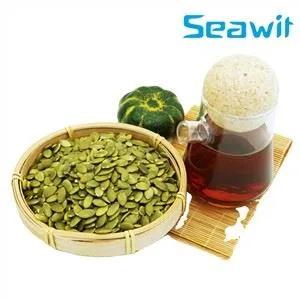
Pumpkin seed oil is cold-pressed from pumpkin seeds for a range of culinary and cosmetic uses. Its nutty flavor makes it a favorite in desserts, salad dressings, and as a finishing oil for dishes. It's also offered as a treatment for healthy hair and skin.Researchers are also exploring pumpkin seed oil's ability to heal wounds. Studies have been conducted using rodents, but further research into their effects on humans is needed. Pumpkin seeds are high in antioxidants that help your body fight off disease. Their anti-inflammatory properties are also being studied.Modern science supports many claims about pumpkin seed oil's benefits and offers several reasons why you should incorporate pumpkin seed oil into your diet.
Advantages of Pumpkin Seed Oil
Effects on mental health
Traditionally, pumpkin seed oil and pumpkin seeds in general have been said to boost mood and ward off depression. For example, showed positive results from giving pumpkin seeds to children with depression.
Effects on hair and skin
Pumpkin seed oil has been linked to positive effects on hair growth, especially in men. One studyTrusted Source found that men who took 400 milligrams of pumpkin seed oil every day for 24 weeks actually had 40 percent more hair growth than men in the placebo group. No adverse effects were found.
Effects on heart health
Pumpkin seed oil is actually an unsaturated fat, meaning it's the “good” kind of fat. Unsaturated fats like pumpkin seed oil can actually promote a healthy heart.
Effects on menopause
In one studyTrusted Source, pumpkin seed oil was found to help relieve some of the symptoms of menopause. This included a decrease in hot flashes, joint pain, and headaches. The women taking pumpkin seed oil also had an increase in their HDL levels, which is the “good” cholesterol.
The PGI label
Only Pumpkin Seed Oil bearing the PGI seal is Original Styrian Pumpkin Seed Oil PGI. This label indicates that only pumpkin seeds from PGI areas have been used for this valueable oil. If the label is missing, better put the bottle back to the shelf.
The nutty aroma
Pumpkin seed oil gets its unique nutty aroma from the type and duration of roasting the seeds. Every oil miller keeps his detailed recipe as a secret. But we tell you: Our oil miller, he can really roast well! For years he has roasted pumpkin seeds in such a way that they develop a delicate nutty aroma but retain all their precious ingredients. And we got numerous awards for the oil - not without a reason ;)
The color and consistency
Best Pumpkin Seed Oil has a deep green colour. When you hold it against light, it shimmers reddish. It must be viscous, but not tough. It must not be bitter, otherwise it has been roasted too long or too hot. And if it has experienced too much heat, it becomes rather yellowish or reddish-brown.


Pumpkin Seed Oil is the oil that is extracted from cold pressing pumpkin seeds that have been dried, hulled, and roasted. Pumpkin Seed Oil was developed in Austria back in the seventeenth century and was famed for its apparent healing properties. While pumpkin seed oil is edible and quite delicious, it is commonly used as a holistic remedy for the skin and hair as a topical treatment.
•In order to make Pumpkin Seed Oil, you will need to use seeds from the Styrian pumpkin, which is native to Austria but can be purchased all over the world.
•If you are using seeds straight from the pumpkin, make sure that you have enough seeds to produce the amount of oil that you wish to make.
•Clean the pumpkin seeds and remove them from the pumpkin pulp.
•Once the seeds are clean and dry, roast them in the oven at 140F degrees for about 5 minutes.
•Then extract the oil from the seeds with a mortar and pestle.
There are several ways that you can use Pumpkin Seed Oil to help promote hair growth.
•The first method of using Pumpkin Seed Oil is by consuming it either directly or in the form of a pill! (This is the straight forward method, but you can also introduce it to your hair care regimen).
•Add it to your DIY pumpkin hair mask!
•Mix Pumpkin Seed Oil with castor oil, and coconut oil (2 teaspoons of each) for a pre-shampoo hair treatment
•Create a hair mist by mixing 1 cup of water with 2 teaspoons of Pumpkin Seed Oil and spraying your hair.
Pumpkin seed oil (PSO) and their biological activity such as, cholesterol-lowering, cancer alleviation, antimicrobial, antiinflammatory and antidiabetic properties. PSO is extracted from pumpkins of the Cucurbitaceae family, notably from Cucurbita maxima, Cucurbita pepo, and Cucurbita moschata as the most cultivated species in mild and subtropical regions of the globe. With 40%–50% oil content based on the extraction method, PSO is naturally rich in a number of health-promoting bioactive compounds such as fatty acids, tocopherols, carotenoids, phenolic compounds, phytosterols, squalene, and minerals. The four major fatty acids in PSO represent linoleic acid (predominant), oleic, palmitic, and stearic acid. For minerals, Mg, K, Ca, Na, Se, and Fe represent the dominant elements in PSO. PSO samples screened against several standard bacterial, fungal, and viral strains showed high antimicrobial activity, it also showed good antiinflammatory and antidiabetic properties.

Application of Pumpkin Seed Oil
In the pharmaceutical and medical industries
According to the Lexikon der pflanzlichen Fette und Öle (lexicon of plant fats and oils), pumpkin seed oil has a number of positive characteristics and effects. Owing to the selenium and Vitamin E contained within pumpkin seed oil, it has an antioxidant effect and protects the body from free radicals. It also helps reduce cholesterol, thanks to its high portion of linoleic acid and phytosterols. In addition, it has anti-inflammatory qualities and serves as a supplementary therapy for rheumatoid arthritis. The high percentage of polyunsaturated fatty acids has a vasodilatory effect; and supports the immune system. Pumpkin seed oil also purportedly has a beneficial impact on prostate adenoma in its initial states, an effect which nevertheless has not yet been proven, along with several other healing powers attributed to this oil. It is also supposed to have a detoxifying effect and decrease blood pressure, thereby helping prevent heart and circulatory problems.
In folk medicine
Even in naturopathy, pumpkin seed oil is widely used. Areas where it is used include, for example, arteriosclerosis, prostate disorder, high blood pressure, urination problems, bladder infections, an irritable bladder, intervertebral disc problems, muscle cramps, kidney diseases, and also deworming.
Cosmetic use
In cosmetics, pumpkin seed oil commonly finds application as carrier oil, since it contains many active substances such as Vitamin A and E and carotenoid, which exhibit good skin care qualities and which must otherwise be added to cosmetic products by other means. This oil is supposed to help with dehydrated hair, the formation of wrinkles and fine lines, skin aging, stretch marks, and scaly and chapped skin.
In the kitchen
Here there are many potential uses for pumpkin seed oil, for example, in combination with salad, beef, aspic, soups, or dessert such as ice cream. However, since it should not be heated, it is suited neither for cooking, nor for frying or deep frying. The pumpkin seed press cakes left over from the oil production is usable as a protein-rich feed for cattle and pigs.
What is Antarctic Krill Oil
Krill oil is an extract prepared from a species of antarctic krill, Euphausia superba. Two of the most important nutrients in krill oil are omega-3 fatty acids, similar to those in fish oil, and phospholipid-derived fatty acids,mainly phosphatidylcholine. Also, antioxidant experimental egg products with krill oil likely contained astaxanthin, a natural antioxidant.Krill oil comes from a tiny, shrimp-like marine animal. It's rich in the omega-3 fatty acids eicosapentaenoic acid (EPA) and docosahexaenoic acid (DHA).The benefits of krill oil seem to come from its omega-3 fatty acid content. The body doesn't produce many of its own omega-3 fatty acids. Omega-3 fatty acids can reduce pain and swelling and also prevent the blood from clotting easily.
Advantages of Antarctic Krill Oil
Supports weight management
Krill oil is a beneficial supplement to a healthy diet and active lifestyle since it may assist attempts to manage weight. The omega-3 fatty acids in krill oil have the ability to control hunger and increase fullness.
Enhances immune function
Chronic inflammation can impair immunity and increase the body's susceptibility to infections. The omega-3 fatty acids in krill oil, especially EPA, have potent anti-inflammatory effects. Krill oil supports a healthy and effective immune system by lowering inflammation and modulating immunological responses.
Promotes healthy skin and vision
EPA and DHA, two omega-3 fatty acids in krill oil, are crucial for keeping healthy skin. These fatty acids maintain skin suppleness and promote a healthy complexion by nourishing the skin from the inside out.
Joint health and reduced inflammation
Krill oil is a helpful natural treatment for those who experience joint pain and stiffness because of its outstanding advantages for maintaining joint health and lowering inflammation .
Special Precautions
1.When taken by mouth: Krill oil is possibly safe when used for up to 6 months. Side effects might include stomach upset, decreased appetite, heartburn, fishy burps, bloating, diarrhea, and nausea.
2.Pregnancy and breast-feeding: There isn't enough reliable information to know if krill oil is safe to use when pregnant or breast-feeding. Stay on the safe side and avoid use.
Bleeding disorders
Krill oil can slow blood clotting. It might increase the risk of bleeding in people with bleeding disorders.
Seafood allergy
Some people who are allergic to seafood might also be allergic to krill oil supplements. Avoid using krill oil or use it cautiously if you have a seafood allergy.
Surgery
Krill oil can slow blood clotting. It might increase the risk of bleeding during and after surgery. Stop using krill oil at least 2 weeks before a scheduled surgery.

Top Reasons to Choose Antarctic Krill Oil
Rich Source of Omega-3 Fatty Acids
Antarctic krill oil is one of the most potent sources of omega-3 fatty acids, particularly eicosapentaenoic acid (EPA) and docosahexaenoic acid (DHA). These essential fatty acids play a crucial role in supporting heart health, reducing inflammation, and improving brain function.
Omega-3 fatty acids are known for their anti-inflammatory properties, which can help alleviate joint pain and stiffness, support cardiovascular health by lowering triglyceride levels and reducing blood pressure, and enhance cognitive function and mood.
High Bioavailability Due to Phospholipids
Unlike fish oil, which contains omega-3 fatty acids in the form of triglycerides, krill oil is rich in omega-3 fatty acids bound to phospholipids. Phospholipids help enhance the absorption and utilization of omega-3 fatty acids in the body, making krill oil a more efficient and bioavailable source of these beneficial fats.
The presence of phospholipids in krill oil ensures that the omega-3 fatty acids are more readily absorbed by the cells, allowing for better utilization and efficacy of the nutrients. This higher bioavailability means that smaller doses of krill oil can provide the same or even greater health benefits compared to larger doses of fish oil.
Natural Source of Astaxanthin
Antarctic krill oil is also a natural source of astaxanthin, a potent antioxidant that gives krill oil its distinctive red color. Astaxanthin helps protect the body against oxidative stress, reduce inflammation, and support skin health.
As a powerful antioxidant, astaxanthin scavenges free radicals and protects cells from damage, contributing to overall health and well-being. Additionally, astaxanthin has been shown to support eye health, improve endurance and recovery in athletes, and promote healthy skin by reducing UV damage and enhancing skin elasticity and moisture.
Sustainable and Eco-Friendly Source
Antarctic krill is harvested from the pristine waters of the Southern Ocean, one of the most untouched and environmentally sensitive ecosystems in the world. Krill populations are abundant and well-managed, making krill oil a sustainable and eco-friendly source of omega-3 fatty acids and other essential nutrients.
Harvesting krill using eco-friendly fishing practices ensures the long-term health and viability of krill populations and the Antarctic marine ecosystem. Choosing krill oil sourced from sustainable fisheries helps support responsible and ethical fishing practices and contributes to the conservation of marine biodiversity.
No Fishy Aftertaste
One of the common complaints associated with fish oil supplements is the unpleasant fishy aftertaste and burps that some people experience after consumption. Antarctic krill oil is less likely to cause fishy burps and gastrointestinal discomfort due to its unique composition and high-quality extraction process.
The phospholipids in krill oil help mask the fishy odor and taste, making krill oil a more palatable and enjoyable option for those who are sensitive to the taste and smell of fish oil. This makes krill oil a more convenient and pleasant choice for incorporating omega-3 fatty acids into your daily diet.
Krill Oil vs. Fish Oil: What's the Difference
If you're looking to increase your intake of Omega-3s, both krill oil and fish oil are an excellent choice. But how do you choose between the two? Both dietary supplements are rich in EPA and DHA, but krill oil is generally thought to be the more effective choice, mainly due to its heart-healthy properties and enhanced bioavailability.
Fish oil and krill oil contain very different fatty acids. Fish oil contains triglycerides, while krill oil contains phospholipids that are more readily absorbed by the body. Scientists believe that the increased potential for absorption makes krill oil the more efficient, effective choice when it comes to Omega-3 supplements.
One of the key differences between krill oil and fish oils is their overall effectiveness. While studies have shown time and again that fish oil provides significant heart health benefits, recent research proposes krill oil protects the heart to an even greater extent.
In a recent study, participants with high blood cholesterol took either a fish oil or krill oil supplement. While both groups showed a meaningful improvement in several heart disease risk factors, the patients who took krill oil experienced more benefits, including lower blood sugar, triglycerides and “bad” LDL cholesterol.
Fish oil and krill oil also differ in terms of price. A standard fish oil supplement is much cheaper than krill supplements on the market. In some cases, a krill supplement can cost 10 times more than generic fish oil, but keep in mind you're paying for the enhanced benefit
FAQ
As one of the most professional nutritional oils manufacturers and suppliers in China, we're featured by high quality products made in China. If you're going to wholesale or buy discount nutritional oils for sale, welcome to get pricelist from our factory. For customized service, contact us now.
walnut oil for hair, cold pressed Organic flaxseed oil, Organic Sunflower Seed Oil